
One of the most transformative shifts in the digital landscape is the rise of Conversational User Interfaces (Conversational UI). According to a report by Statista, the number of voice assistants worldwide is expected to reach 8.4 billion by 2024, surpassing the global population. Furthermore, 85% of customer interactions are projected to be handled without human intervention by 2025, thanks to the advances in AI-driven interfaces. These statistics highlight the profound impact conversational UIs by user experience design agencies are having on business and technology.

Image Credit – Ideogram.ai
Conversational UI is more than just a trend. It’s becoming an essential part of how we communicate with machines. From chatbots on websites to virtual assistants like Amazon’s Alexa, Google Assistant, and Apple’s Siri, conversational UIs are changing the way people interact with technology.
Conversational User Interfaces (CUI) are platforms that enable human-computer interaction through natural language—whether through text or voice. Unlike traditional graphical user interfaces (GUIs), where users interact by clicking buttons or selecting options, CUIs allow users to simply communicate their needs through a conversation.
UI/UX design firms leverage Natural Language Processing (NLP), machine learning, and artificial intelligence (AI) to understand and respond to user input. Conversational UIs can be found in various applications, from chatbots and voice assistants to customer support systems and smart home devices.
The concept of conversational UI traces its roots back to the earliest forms of AI development. In 1966, ELIZA, a program created at MIT, simulated conversation by using a simple script to engage users, mimicking a human therapist. This was one of the earliest examples of how computers could engage in a back-and-forth dialogue with humans. However, it was rudimentary at best and could only respond based on a limited set of pre-defined scripts.
Today, the evolution of machine learning and deep learning has dramatically transformed the capabilities of conversational UI. Breakthroughs in speech recognition, sentiment analysis, and the ability to process large datasets have propelled conversational interfaces forward, making them smarter and more intuitive than ever before.
In recent years, tech giants like Google, Amazon, and Apple have invested heavily in conversational AI. Platforms such as Google Assistant, Amazon Alexa, and Apple’s Siri are examples of how far conversational UI has come, now capable of engaging in complex tasks, from controlling smart homes to providing personalized recommendations.
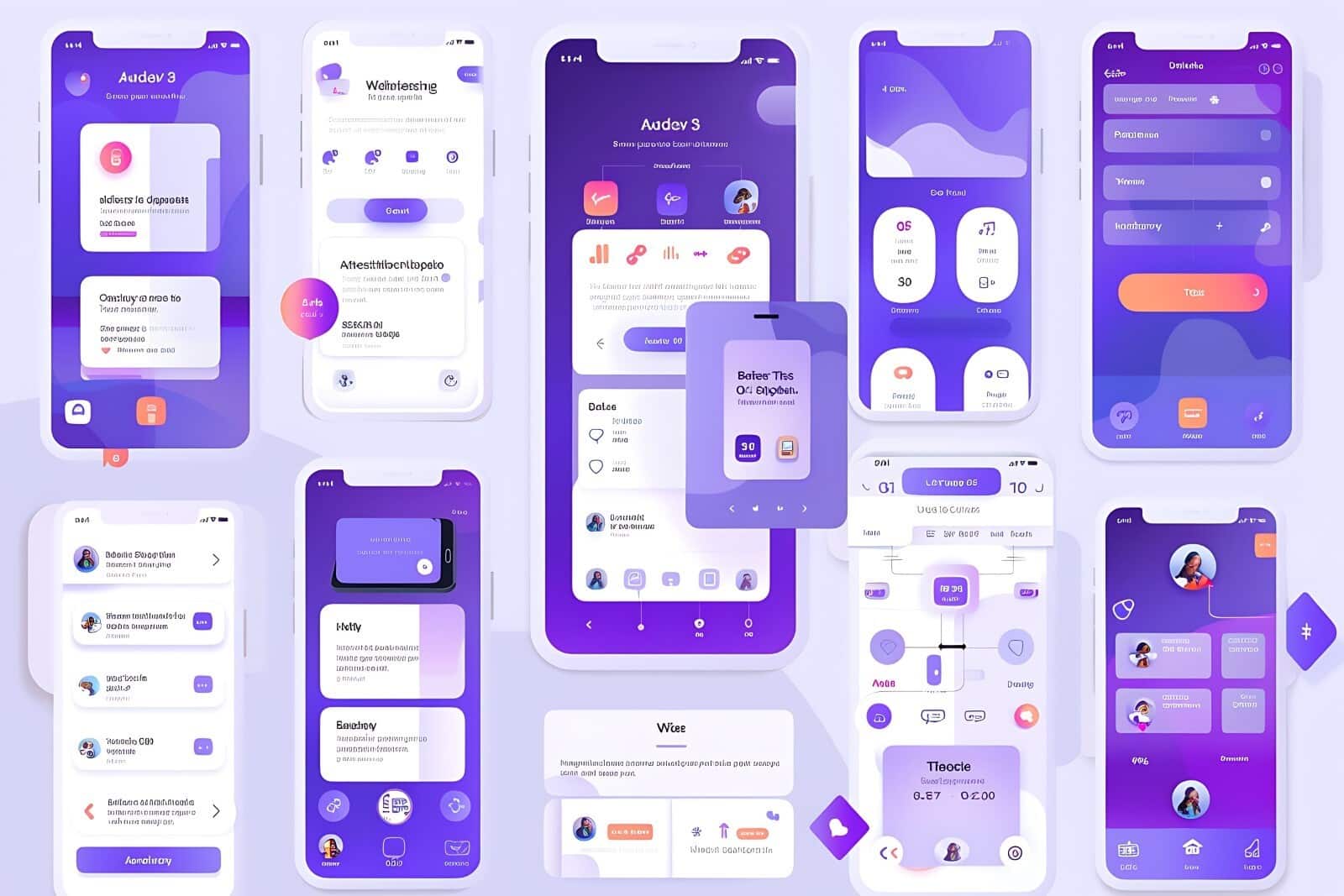
As businesses and consumers seek faster, more intuitive ways to interact, the demand for conversational UI from UI/UX design firms is growing rapidly. Below are some reasons why it has become so essential:
Conversational UI Trends to Watch Out For in 2025
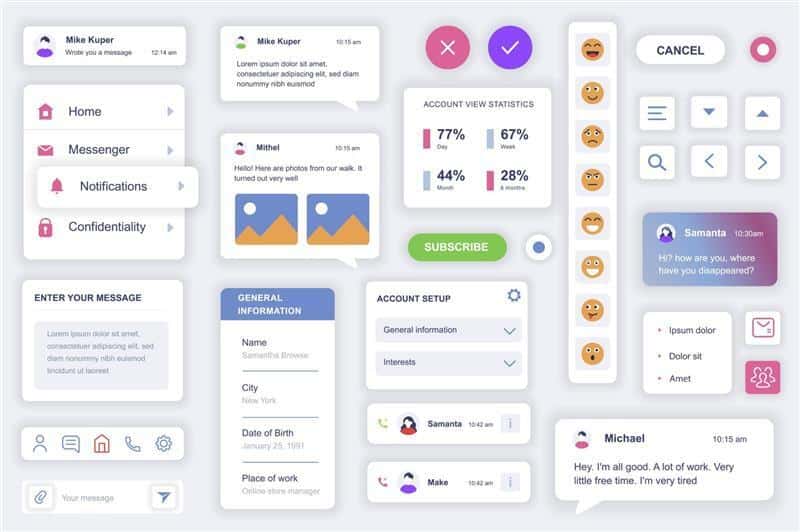
Natural Language Processing (NLP)
NLP is the backbone of any conversational interface. It helps the system understand and interpret human language by breaking down sentences into smaller components and analyzing their meaning. NLP includes:
Dialog Management
This component manages the conversation flow between the user and the system. It ensures the conversation remains logical and coherent by keeping track of context and the user’s goals. Dialog management is responsible for:
Input/Output Interface

The interface through which users communicate with the system:
Machine Learning (ML)
Conversational UIs rely on machine learning algorithms to improve their understanding of user interactions over time. ML models are trained on data to:
Intent Recognition
This component identifies what the user is trying to achieve in the conversation. Intent recognition uses NLP and ML to determine the goal of the conversation based on the user’s input. For example, in a customer service chatbot, intents might include “tracking an order,” “cancelling a subscription,” or “getting product details.”
Entity Recognition
Entity recognition is about extracting specific details or pieces of information from the user’s input. Entities are key data points, such as names, dates, product IDs, or locations, that help the system understand the user’s needs more precisely. For example, in a banking assistant, entities could include account numbers, transaction amounts, and dates.
Context Management
Context management ensures that the system remembers previous interactions within a conversation, which allows for multi-turn conversations. This means the system can keep track of what has been said previously and use this information to provide relevant responses. It also handles context switching, where users may change the subject mid-conversation.
Response Generation
Once the system understands the user’s intent, it needs to generate an appropriate response. Response generation can be either:
Backend Integration
Conversational UIs often need to integrate with other systems to perform tasks or retrieve data. For example, a banking chatbot might connect to the backend database to check account balances or recent transactions. Backend integration ensures that the conversational interface can:
User Profile and Personalization
A well-designed conversational UI takes into account user preferences and history to provide personalized responses. By leveraging user profiles, the system can:
Multimodal Interaction
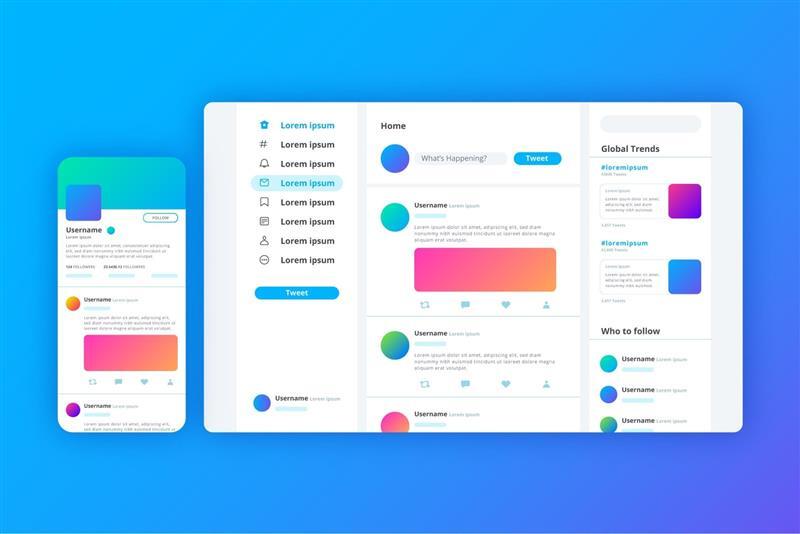
While most conversational UIs focus on text or voice, modern systems often support multimodal interaction, where the user can switch between different forms of communication. For example, a voice assistant might respond to a voice command by showing relevant information on a screen, combining both voice and visual elements to enrich the user experience.
Security and Privacy
Since conversational UIs often deal with sensitive information (e.g., financial details, personal data), it’s crucial to have strong security measures in place. This includes:
Learning and Feedback Mechanisms
To improve over time, conversational UIs often include mechanisms for learning from user interactions:
Benefits of Conversational UI

Let’s look at how Conversational UI services by UI/UX design companies are transforming various industries:
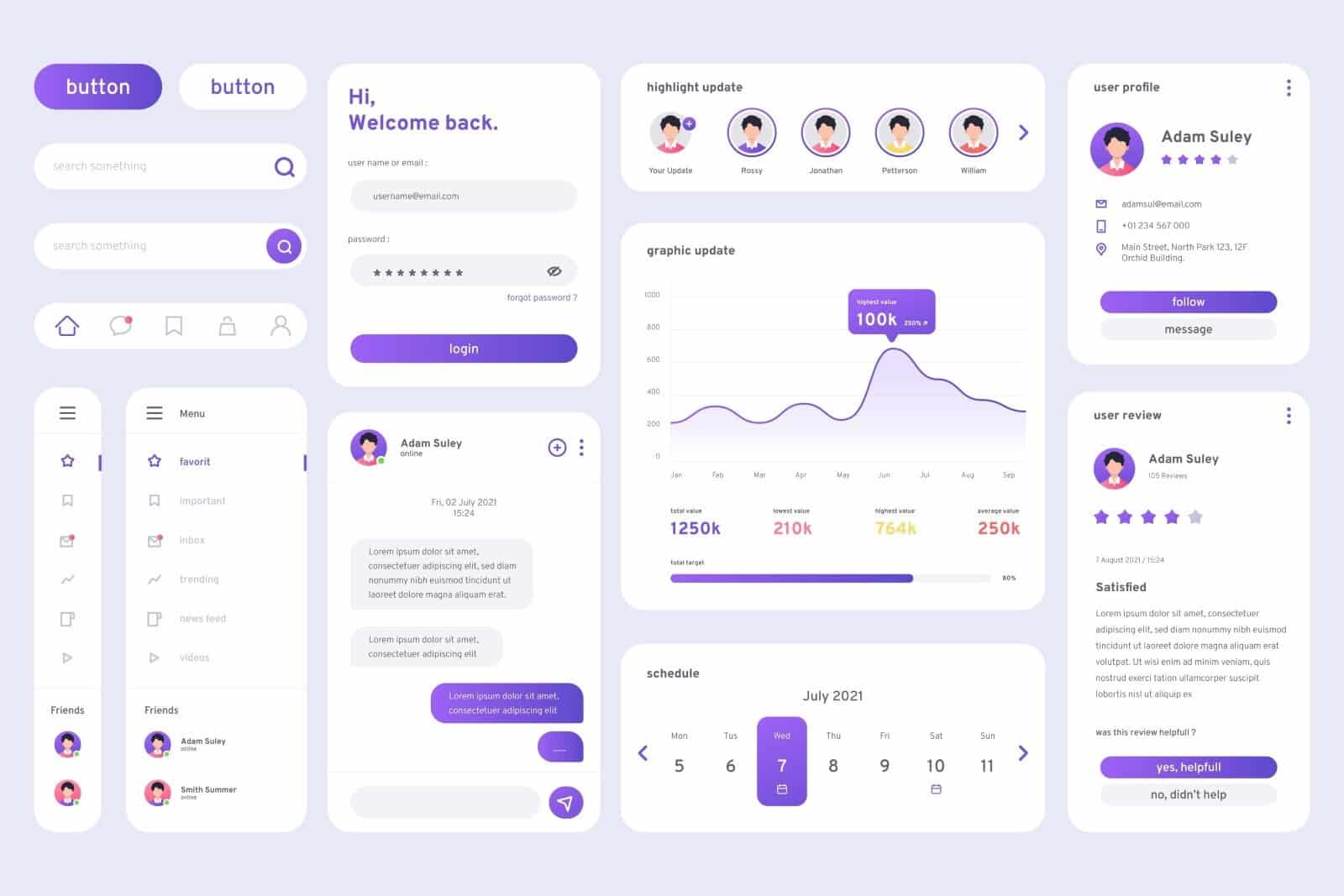
To ensure a successful implementation of conversational UI, businesses should consider some best practices. Here are some best practices that top UI/UX design agencies swear by:
Conversational UI is transforming how users interact with technology, providing more natural, efficient, and scalable ways of communication. As businesses strive to enhance user experiences and improve efficiency, conversational UIs offer significant benefits, from increased accessibility to cost savings and personalized interactions. However, as with any emerging technology, it comes with its own set of challenges, particularly in context understanding and data privacy.
By following best practices and addressing these challenges head-on, businesses can fully harness the power of conversational UI and create more engaging, intuitive experiences for their users. The future of user interaction is here, and it’s conversational. Zerozilla, UI/UX design agency in Bangalore, leverage the latest in technology, such as AI-driven design and user-centric interfaces, to enhance user engagement and streamline customer experiences.
WhatsApp us
Secure KYC, Aadhaar signing, and compliance workflows built for scale.
Hear from our clients and why 200 + businesses trust Zerozilla.


As an emerging business, Gateway sought a comprehensive solution to bolster our website, graphic design endeavors, and IT requirements. Zerozilla came highly recommended, and rightfully so. They epitomize reliability, ease of collaboration, affordability, and consistently deliver outstanding results. Without a doubt, Zerozilla is an invaluable partner for Gateway International Group, and we extend our sincere gratitude.


A special thanks to our external development partner, Zerozilla, for their
exceptional work in helping us go live with an upgraded landing and details page. The feature, which displays real-time return statuses, has already received glowing feedback. Zerozilla exceeded our expectations by delivering ahead of schedule with impeccable quality. This achievement highlights the power of strong partnerships and collaboration. Thank you, Zerozilla, for your stellar contribution!